The Last Dance at Stade Francis-Le Blé
Brest's century-old fortress bows out as Ligue 1's most elemental ground
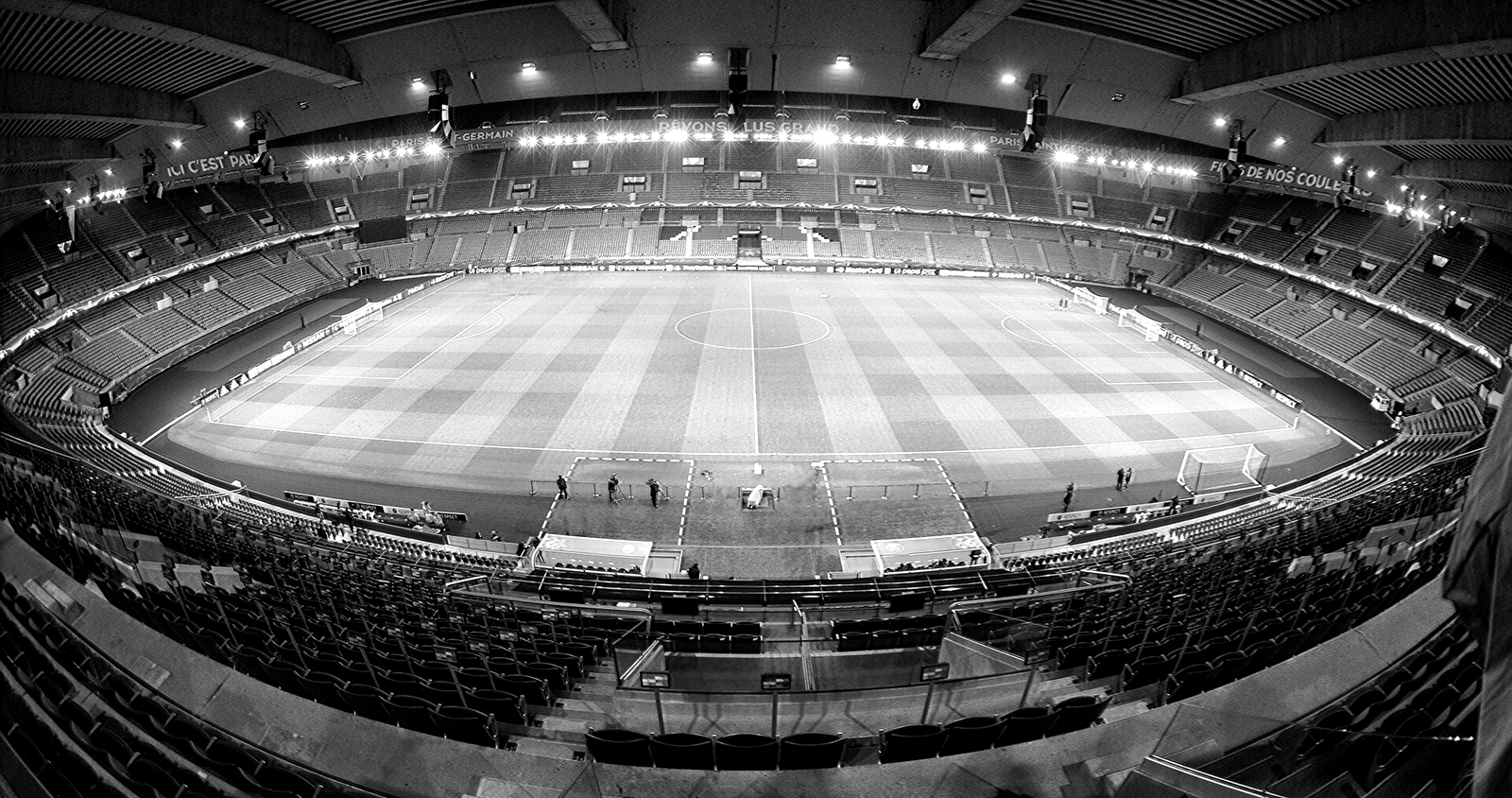
There are stadiums that shelter their occupants, and there are stadiums that expose them — to the sky, to the crowd, to the particular cruelty of the Atlantic. The Stade Francis-Le Blé, sitting at the far western tip of Brittany, belongs stubbornly to the second category. At fifteen thousand and change, it is a modest ground by the standards of Ligue 1 élite; by the standards of elemental theatre, it has always punched well above its weight. On Sunday evening, when Paris Saint-Germain arrive for what is almost certainly the stadium's final top-flight fixture, the wind will referee the match as surely as any official on the pitch.
The ground's reputation precedes it in a way that only the genuinely inhospitable can manage. Brest is the westernmost point of metropolitan France, a port city that the Atlantic treats as a personal project, and the Francis-Le Blé's open-bowl structure offers no argument against the weather. Visiting sides have long approached this fixture as a kind of galère — an ordeal to be survived as much as contested. The story of PSG's players retreating into the stadium's catacombs to warm up, unable to bear the chill on the exposed pitch-side terrace, has passed into Ligue 1 lore. One imagines them there, in the half-light below the stands, the sounds of the Breton crowd filtering down through the concrete like distant percussion.
The stadium itself — named for a local rugby player, Francis Le Blé, who died in the First World War — has the blunt honesty of brutalist vernacular. It was never Parc des Princes. A renovation in 2010 smoothed certain edges without erasing the essential character: low rooflines, raw sight-lines, the sense that the pitch sits in a shallow bowl carved out of the urban fabric of the Rue de Pontaniou quarter. In the 2019-20 season it was the smallest ground in Ligue 1 by some distance, a fact the club wore with quiet panache. That smallness, paradoxically, produced an acoustique of extraordinary density — fifteen thousand voices in a tight space carrying further than twice that number ever managed at some of the league's grander envelopes.
Fifteen thousand voices in a tight space carrying further than twice that number ever managed at some of the league's grander envelopes.
What replaces it is genuinely extraordinary in its own right, and one should resist the elegaic reflex of treating all modernisation as loss. Arkéa Park, designed by François de La Serre and expected to receive its first supporters in 2027, has been conceived as a vessel — literaly a red-and-white boat in an ocean of green, the architect's phrase, and a good one given Brest's maritime identity. Eight thousand square metres of photovoltaic panels, wind turbines integrated into the structure: the brief was for one of the most ecologically ambitious stadiums on the continent, and the renderings suggest the ambition is not merely cosmetic. The club that secured European football for the first time in its history just two seasons ago now has a home befitting that new register.
Sunday's match will be played, as always at Le Blé, with one eye on the sky. PSG arrive as champions-elect, their season a lesson in controlled dominance; Brest's players arrive as custodians of a rituel that will not survive the summer. There is something in this that recalls Truffaut's closing shot in Les Quatre Cents Coups — a boy running toward the sea, the frame freezing at the exact moment of arrival, the future held at bay for one last instant. The Francis-Le Blé will not freeze. The cranes are already waiting. But for ninety minutes, the Atlantic wind will still set the tempo, the catacomb tunnels will still smell of liniment and damp concrete, and Brest will still be the most elemental outpost in French football.