Vila-real Ceramic Bowl Prepares for PSG Night
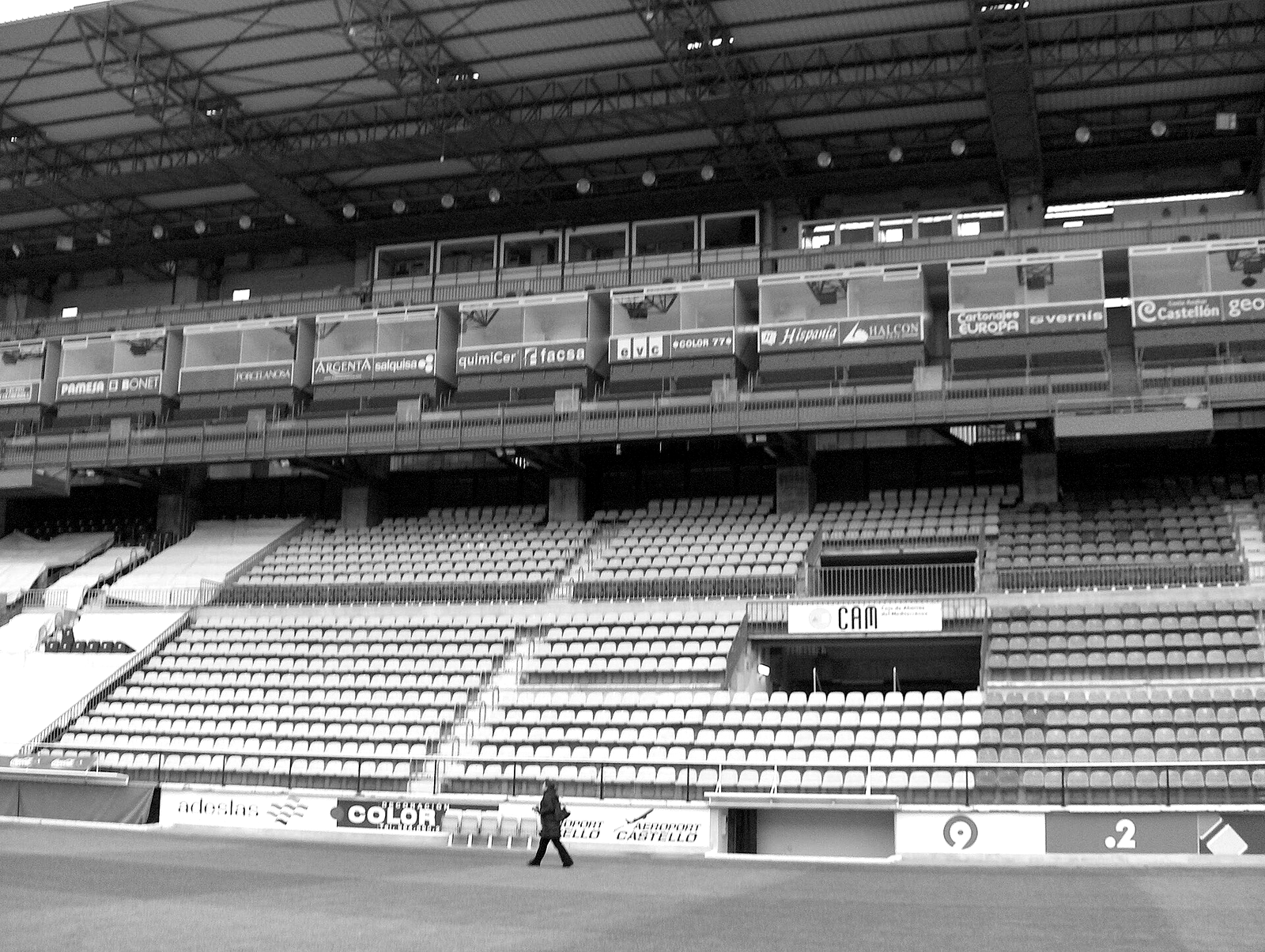
Estadio de la Cerámica occupies its original 1923 site on the western edge of Vila-real, the yellow ceramic cladding of its 2022 renovation now forming a single continuous volume around the 23,008 seats that will receive Paris Saint-Germain for a Champions League fixture on the evening of 3 November. The €35 million project led by IDOM demolished piecemeal additions, installed a unified canopy and added photovoltaic panels to the roof surface while preserving the compact footprint that has long defined the spectator experience. Architect César Azcárate has identified the strengthened formal unity and overall volume as the intervention's greatest success, one that directly embodies the town's position inside the triángulo del azulejo.
The stadium's repeated adaptations to continental competition include a 2005 upgrade undertaken expressly to satisfy UEFA requirements, yet the recent works represent a deeper civic decision to align the building with Vila-real's dominant ceramics industry. That industry supplies the literal material of the new exterior, turning the façade into both enclosure and emblem within the urban fabric that surrounds Plaza Sur. The continuous roof solves the practical matter of weather protection without fragmenting sightlines or plunging the hybrid 105 by 68 metre pitch into shadow, a resolution that maintains the intense atmosphere supporters have known since the ground first opened.
Vila-real functions here as more than a setting, its economy and material culture written into the masonry choices that distinguish this bowl from larger Spanish arenas. The renovation improves integration with neighbouring streets and the adjacent plaza, allowing the structure to read as a coherent architectural object rather than an accumulation of stages. On match evenings the concourses fill quickly because the scale remains intimate, a quality the architects deliberately retained even as they enlarged the visual presence of the whole.
Previous piecemeal works addressed functional needs for European nights, yet the IDOM scheme advances a clearer statement about local identity and the value of investing in infrastructure that serves both sport and urban cohesion. The yellow surface catches the low autumn light in a manner that recalls the industrial processes sustaining the region, while the photovoltaic installation signals a contemporary layer added to that heritage. As the visitors from Paris arrive the venue stands ready, its unified form a quiet assertion that small-town European football can still command attention through architecture as much as results.