Arrowhead Faces Its Planned Domed Successor
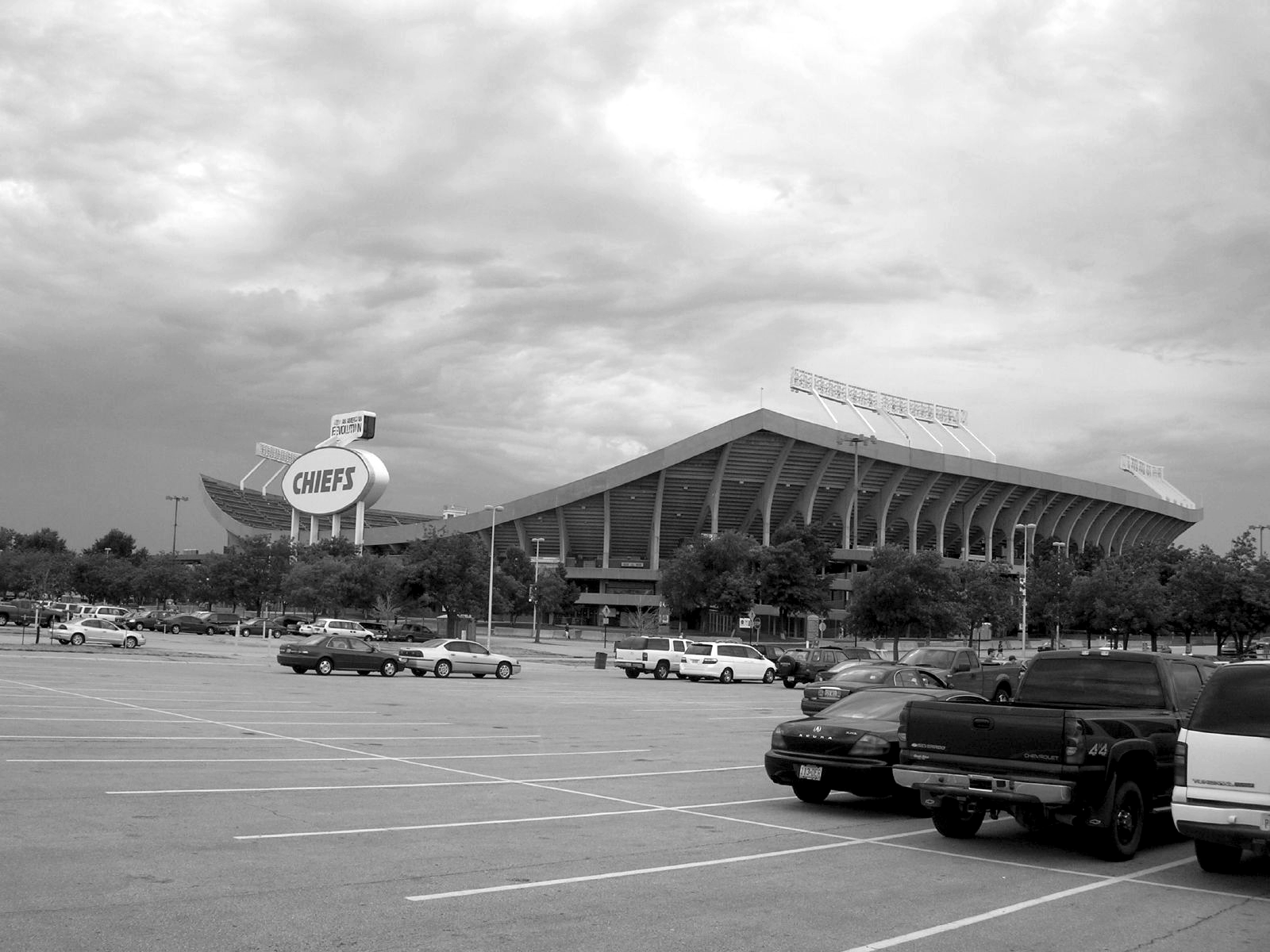
The curved concrete of GEHA Field at Arrowhead Stadium rises from the Kansas City plain as a fixed point in the metropolitan grid. Fans converge along the avenues that feed into its concourses, their movements forming a weekly procession that has defined the surrounding neighbourhoods for generations. This Sunday the New York Jets arrive for a contest that unfolds beneath the open sky, even as renderings released in July sketch a domed successor that will occupy adjacent land while preserving the essential silhouette of the original.
Clark Hunt, the owner whose family has guided the franchise across multiple eras, presented the new structure as one that would retain the symmetrical curves of the current exterior while adding a translucent ETFE membrane roof. The three billion dollar project, scheduled to open in 2031, incorporates scalloped end zones that echo the existing bowl geometry and seeks to maintain the acoustic properties that produced the stadium Guinness record for crowd volume. In the meantime the open arena continues to serve as the focal point for Kansas City football culture, its design allowing prairie winds to interact with the stands in ways enclosed venues often mute.
The urban integration of Arrowhead extends beyond the playing surface itself. The stadium complex, positioned near the interchange of major highways that ring the city, draws supporters from across the metropolitan area into a shared gathering that begins hours before kickoff. Local businesses along the approach routes adjust their operations around the influx, and the concrete plazas outside the gates become temporary extensions of the neighbourhoods that surround them.
The renderings show a structure that maintains the symmetrical curves of the current exterior, ensuring that the visual identity of the site remains consistent even as enclosure technology advances.
Plans for the domed replacement acknowledge this history without erasing it. The renderings show a structure that maintains the symmetrical curves of the current exterior, ensuring that the visual identity of the site remains consistent even as enclosure technology advances. This continuity matters in a city where the stadium has functioned as both sporting venue and landmark, its presence visible from distant vantage points along the interstate corridors.
The decision to build the new facility nearby rather than on a distant site reflects a civic preference for anchoring major institutions in their established locations. Kansas City has witnessed other venues relocate over the years, yet the choice here keeps the football tradition tied to the same patch of ground that has hosted it since the nineteen seventies.