Paris Basketball Scales Venue for Fenerbahçe EuroLeague Match
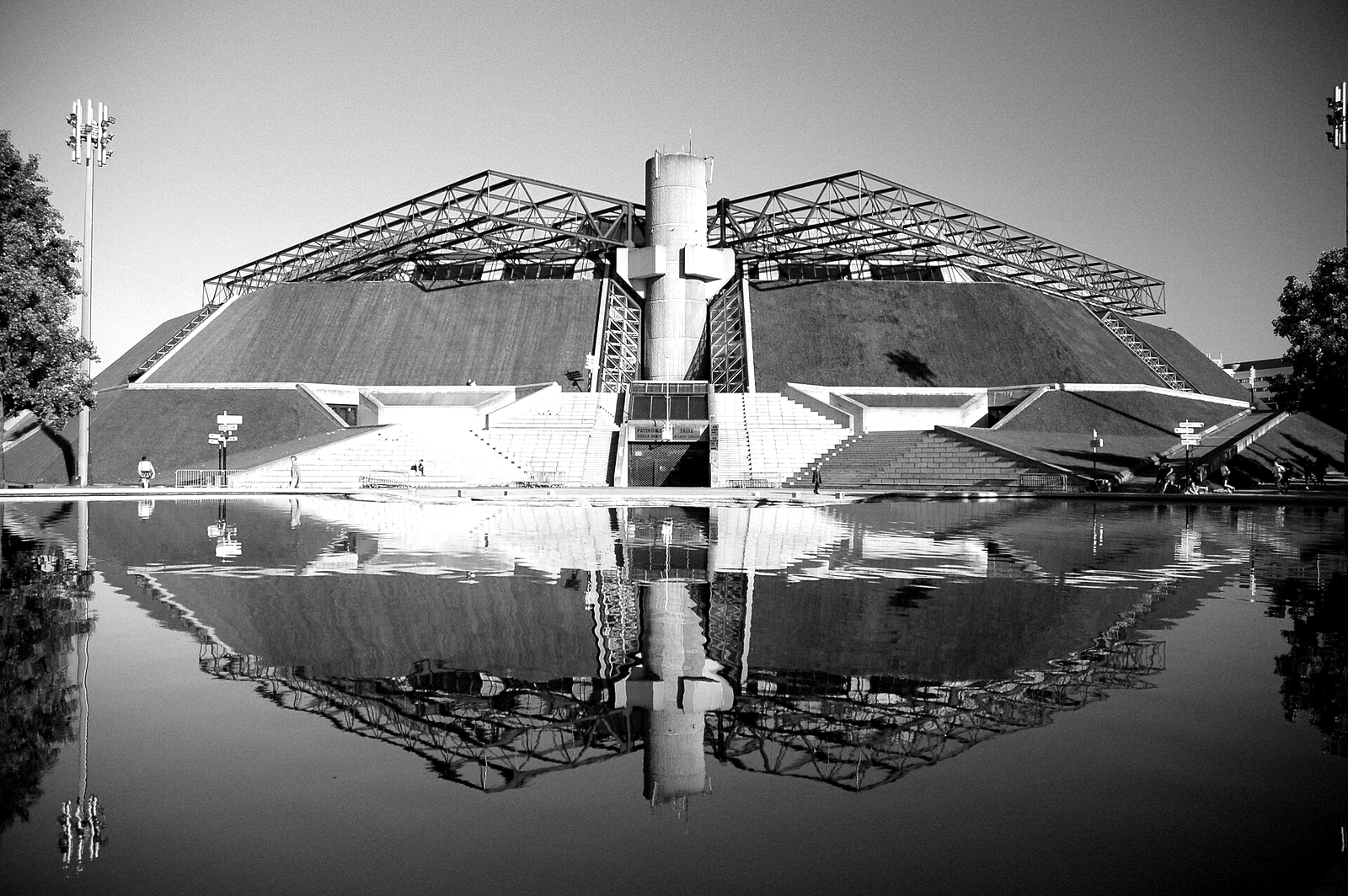
A strategic shift in venue selection allows Paris Basketball to match the scale of its EuroLeague ambitions against Fenerbahçe. The club moves its November 11 fixture from the 8,000-seat adidas Arena to the 15,705-capacity Accor Arena. This choice reflects deliberate planning around audience size and event positioning rather than routine scheduling. The secondary venue serves as an occasional expansion point rather than a permanent base.
The primary arena serves as the standard base for domestic and regular league games. Its compact size supports consistent atmosphere and operational control. Accor Arena, opened in 1984, functions as the secondary option for high-profile contests. Capacity differences drive the decision for this rematch from the previous season's playoffs.
Club communications frame the evening as a gala event with added animations and surprises. Such promotions tie into broader efforts to build institutional presence in the French capital. The venue's concert heritage contributes to the spectacle without altering the sporting contest itself. Past uses against other opponents have established the pattern for these marquee nights.
In infrastructural terms, the dual-venue model separates everyday operations from occasional expansion. Paris Basketball's growth in European competition necessitates these adjustments to accommodate larger crowds. The larger arena integrates the club into Paris's established sports and entertainment network. Capacity utilisation becomes a measurable indicator of organisational reach and planning.
Fenerbahçe arrives as the opponent in a fixture already marked by playoff history. The venue change amplifies the setting without changing the competitive parameters. Structural decisions like this one reveal how European clubs balance growth against fixed infrastructure limits.