Legacy and Dynasty Meet at Madison Square Garden
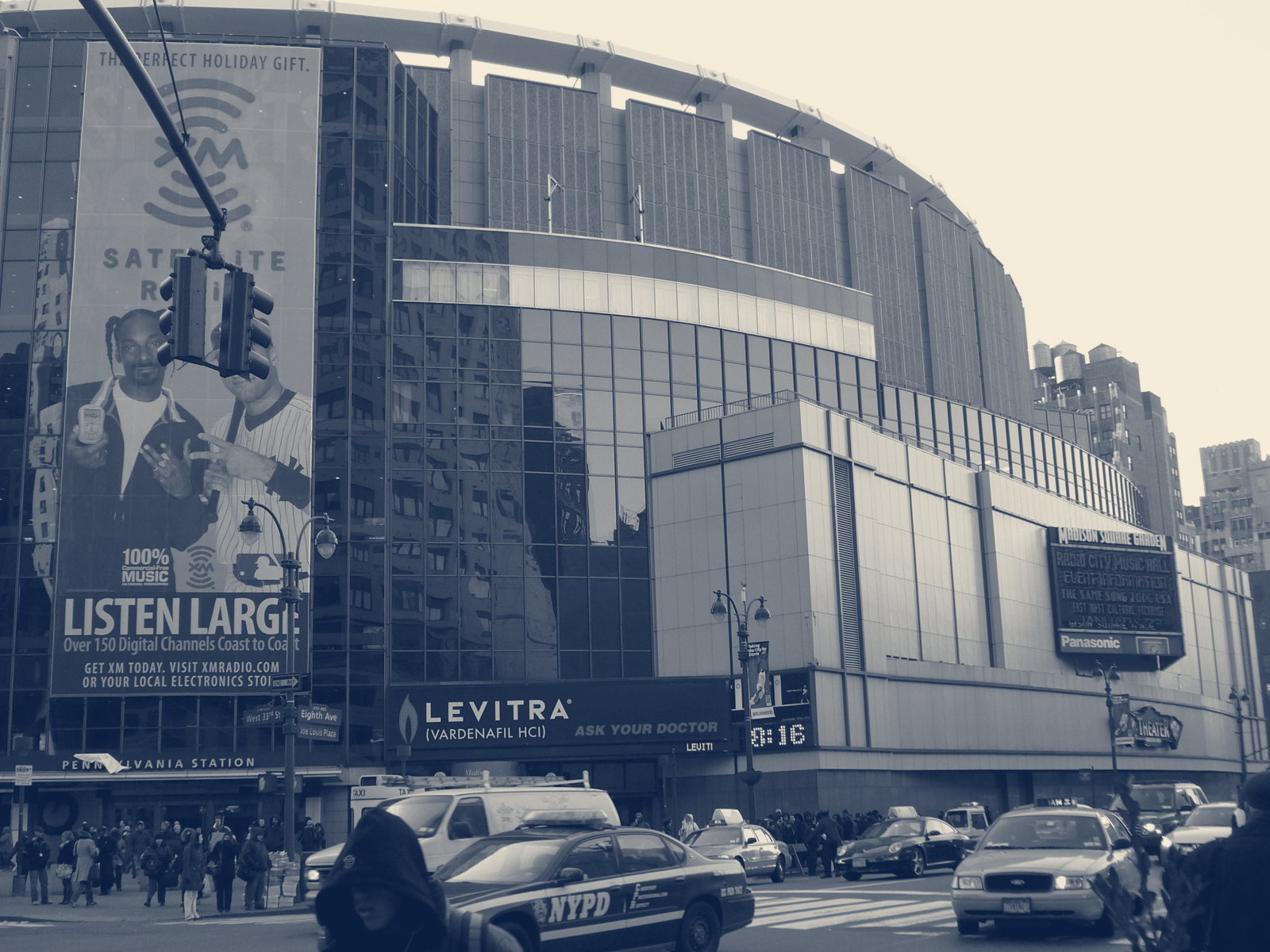
Madison Square Garden rises above the concourses of Penn Station as a circular concrete amphitheatre whose history of hosting decisive fights has turned its location on Seventh Avenue into a fixed point in the sport's geography. Kayla Harrison enters the building as bantamweight champion preparing for her first defence, while Amanda Nunes returns after more than three years away to face the one former titleholder she has never met at this weight. The contest, staged as the co-main event of UFC 334, draws its charge from the fact that both women have already cleared most of the division's other obstacles, leaving this pairing as the clearest available test of where women's mixed martial arts now stands.
The choice to place the bout inside the Garden rather than in a newer or larger venue reflects a deliberate calculation that New York's media market and its established fight crowd can carry the weight of a matchup described across multiple previews as the most significant women's contest the promotion has yet assembled. Harrison brings an Olympic judo pedigree and a ground game that has forced the division to adjust its expectations since her arrival from another league in 2025. Nunes, by contrast, arrives with victories over every other champion the bantamweight class has known, a ledger that leaves this single remaining bout as the final unsettled item in her generation's record.
Seventh Avenue on the evening of the event fills with the usual pre-fight movement of ticket holders and local vendors, the same pedestrian flow that has accompanied major cards at the Garden since the present structure opened in 1968. The thin depth of the bantamweight division lends additional consequence to the result, because the winner will shape the division's immediate direction with few comparable challengers positioned to follow. Both athletes share a training history at American Top Team, a connection that supplies the sort of personal tension promotional narratives often highlight and that here originates in actual sparring sessions conducted years earlier.
The building's circular footprint and stacked tiers of seating produce an enclosed atmosphere that newer arenas rarely match, even when they promise superior sightlines from every seat. Spectators pass through the same turnstiles used for basketball and hockey crowds, each group carrying its own sense of what a title fight should register inside this particular city. For Nunes the occasion carries a measure of return, while for Harrison it represents the latest elevation of a career that has moved through multiple promotions before landing at this scale.
The stylistic contrast, grappler against striker, has received the usual advance attention, yet the larger frame remains the urban decision to stage the fight where New York can supply both the audience and the symbolic weight that the division's next chapter requires.