How a Billionaire's Village Club Became Germany's European Wildcard
Hoffenheim's Champions League push forces German football to confront what money, place, and legitimacy actually mean.
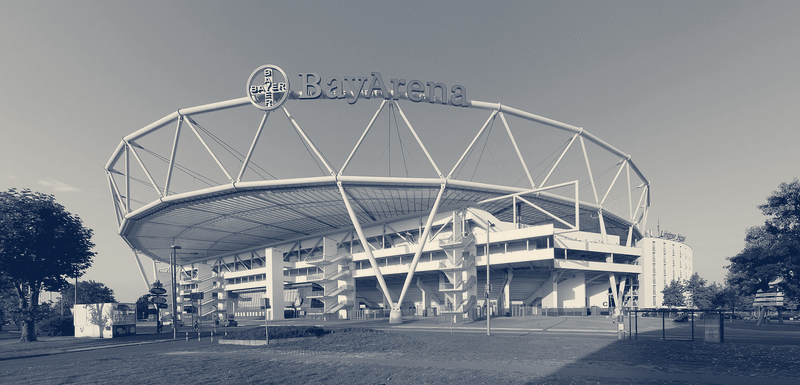
Perched on a low hill above the town of Sinsheim, visible for many miles across the Kraichgau plain, the PreZero Arena sits like an unlikely civic monument, its membrane roof floating without pillars against the Baden-Württemberg sky. The stadium, which opened in 2009 to a reception equal parts admiration and suspicion, was from the start a provocation rendered in steel and solar panels. Sinsheim has just over 35,000 inhabitants; the village of Hoffenheim, whose name the club carries, has fewer than 3,000. That a football club bearing such a postcode should now be level on points with VfB Stuttgart in fourth place, two points clear of Bayer Leverkusen, competing seriously for a second-ever Champions League berth, is either the most compelling fairytale in the Bundesliga or, depending on your sympathies, its most unsettling distortion.